Research

My work follows carbon from the field or the waste bin to useful products: first making difficult materials easier to handle, then breaking them down, then converting them.

Feedstock preprocessing and densification

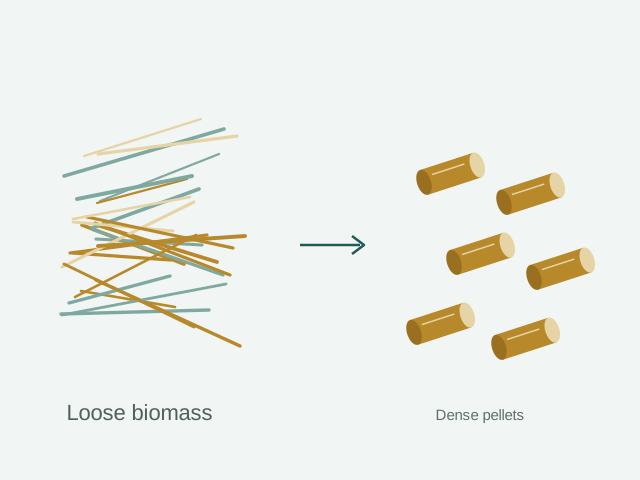
Biomass is bulky, variable, and hard to store and move. I study how mechanical preprocessing, such as pelleting and ball milling, changes both the logistics of biomass and its behavior in later conversion steps. Pelleting can raise bulk density many times over and also acts as a mild pretreatment that opens the plant cell wall to enzymes.
  • Pelleting
  • Ball milling
  • Feedstock characterization
  • Corn stover

Deconstruction and catalysis

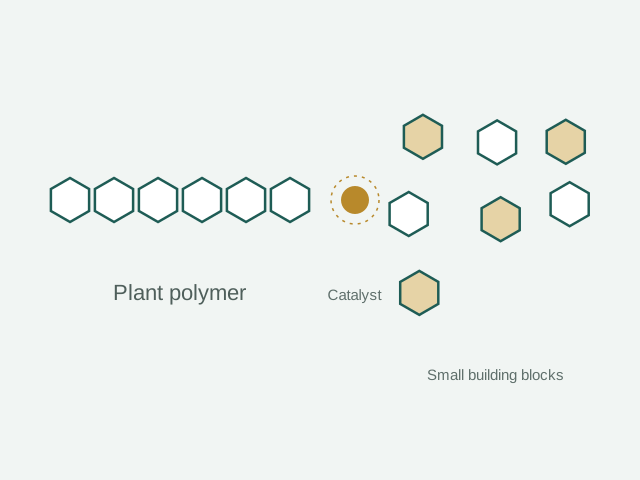
To use plant polymers, we first need to break them into smaller, useful pieces. I work on deconstruction with advanced solvent systems and on catalytic routes such as alcoholysis, including the synthesis of new catalysts, to produce clean, bioavailable intermediates.

  • Advanced solvents
  • Alcoholysis
  • Catalyst synthesis
  • Enzymatic hydrolysis

Waste textiles and synthetic polymers

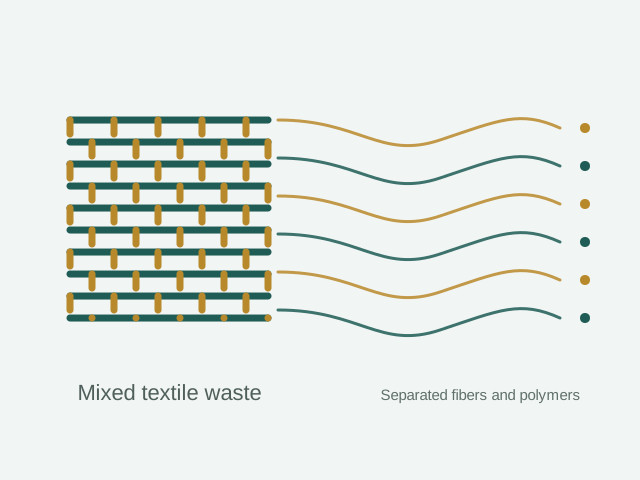
Mixed textile waste contains both natural fibers and synthetic polymers. At the ABPDU, I develop processes that separate and convert these complex streams into feedstocks for fuels, chemicals, and new materials, so that waste carbon can return to use.

  • Textile recycling
  • Polyester
  • Cotton
  • Circular carbon

Bioprocess engineering and system analysis

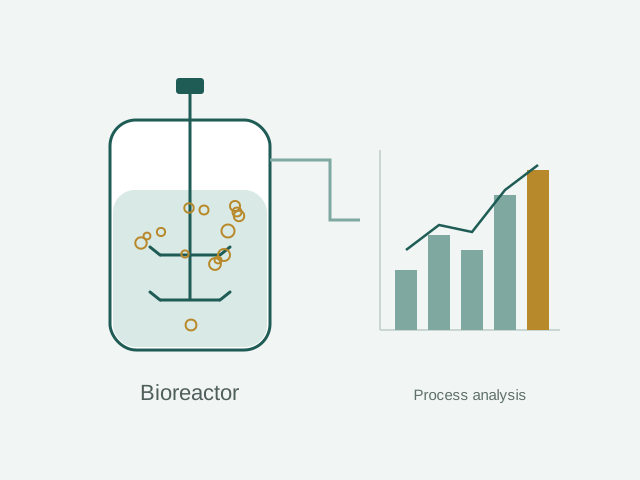
A good conversion step only matters if the whole process works. I have developed and tested bioprocesses and bioreactor systems for lignocellulosic butanol, and I connect lab results with scale-up and system-level analysis to judge what is practical.

  • Butanol fermentation
  • Bioreactors
  • Scale-up
  • Techno-economic analysis